Wellness exams and vaccines for puppies, kittens and adult pets
Annual exams help find disease early, often before any symptoms begin. We also give vaccines, help with parasite prevention, and answer questions about food and behavior.
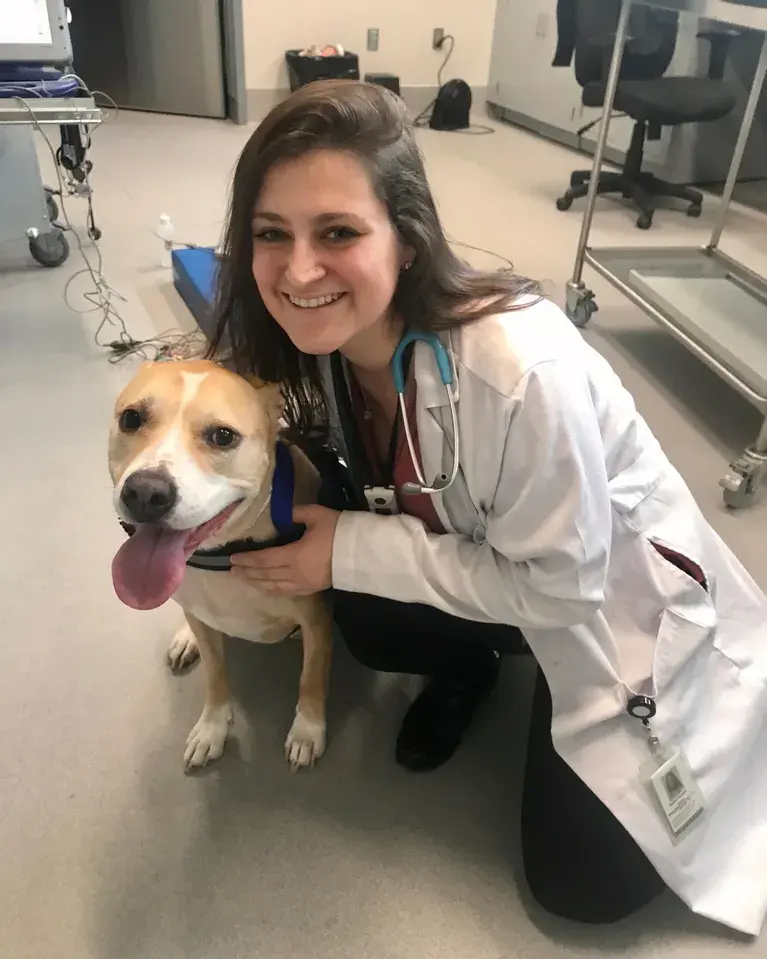
What happens at a yearly exam
Preventative care is your pet’s first line of defense. Annual exams help prevent, diagnose and treat disease in its early stages, often before any symptoms begin. Treatment that starts early is generally more effective.
For adult pets, the vet evaluates
- General appearance
- Skin
- Lymph nodes
- Mucous membranes
- Musculoskeletal system
- Respiratory system
- Nervous system
- Circulatory system
- Digestive system
- Genital and urinary systems
Want to read more? The importance of the annual wellness exam
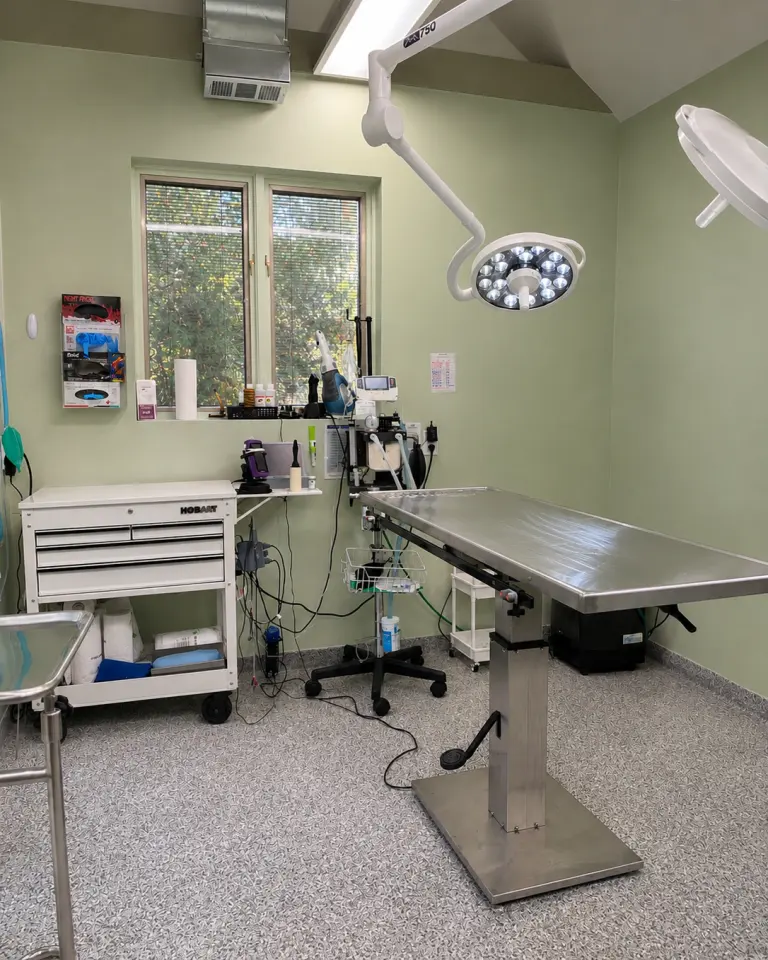

Puppy and Kitten Care
Congratulations on your new puppy or kitten. These are the services that help your pet start out well.
Vaccinations with boosters
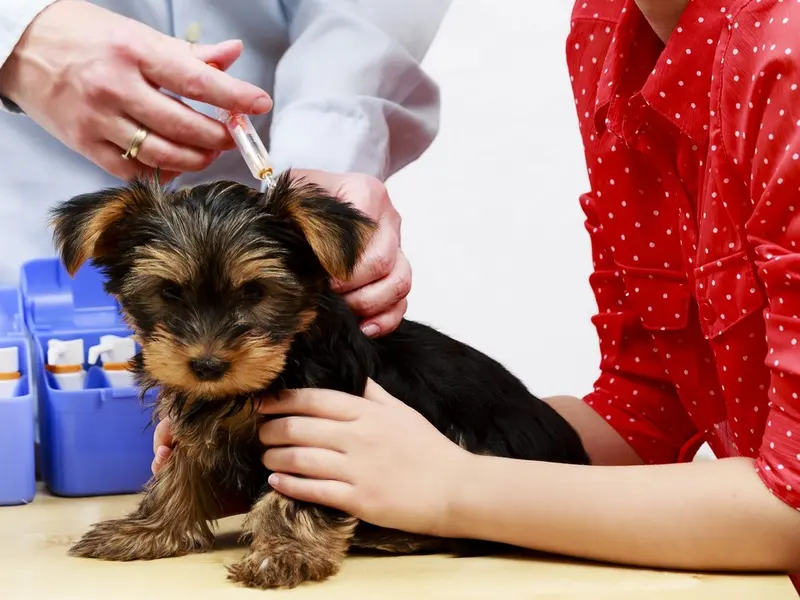
Young puppies and kittens do not have full immunity from many serious infectious diseases. Parvo virus in dogs and panleukopenia in cats are both serious gastrointestinal diseases that can be deadly. Your puppy or kitten needs the entire series of combination vaccines to be protected.
A wellness visit
This exam helps us detect possible health problems early. Common, treatable problems can be found before you notice them.
Spaying or neutering
Spaying or neutering has health benefits, and it helps with pet overpopulation. The vet can explain how spaying helps protect against uterine infections and breast tumors, and how neutering helps prevent testicular cancer and certain prostate problems.
A microchip
A microchip is a secure, permanent form of identification. It makes it more likely that a lost pet is returned to you.
Parasite prevention
Fleas, ticks and heartworm-carrying mosquitoes are out in force all year long. We can help you choose the best parasite prevention for your new pet.
We are also happy to answer any questions about nutrition and behavior for your new pet.
Call (203) 268-6231 to schedule an appointment, or request one online.
Want to read more? Caring for your new puppy or kitten · Spay and neuter
Which Vaccinations does my pet need?
Immunizations and booster shots help protect your pet from many common diseases and infections. Here are the core vaccines.
Dogs
- Distemper
- Parvo
- Rabies
Cats
- Feline panleukopenia
- Rhinotracheitis
- Rabies
Beyond the core vaccines, we look at your pet’s age, lifestyle and likely exposure to certain diseases before we recommend more. Puppies and kittens need the full series of boosters. Dogs and cats must be up to date on rabies and distemper before they can board with us.
Want to read more? Why vaccinating your pets matters · Cat and kitten vaccinations
Care at every stage
Wellness care also covers prevention, food, behavior and the needs of older pets.
Parasite Control
Anti-parasitic medication, given regularly, prevents and treats parasites. We can help you choose the best option for your pet.
Nutrition
Nutrition supports your pet’s bodily processes, their immune system and normal development. The amount of food you offer makes a difference, too. We can help you make a nutrition plan.
Behavioral Evaluation
Most pet owners face behavior issues at one time or another, and they can be frustrating enough to strain the bond between pet and person. A change in mood or behavior can be a symptom of an underlying medical condition. We can help you identify these shifts and look for the cause.
Senior Animals
We recommend an exam with regular lab work at least once a year for senior pets. Pets age faster than people, so diseases and illnesses can progress faster too. Many dogs and cats are living longer today, and older pets face more age-related conditions that affect their quality of life. We can work with you to help your pet age well.

Want to read more? Caring for your geriatric pet
New clients are welcome
Becoming a client is simple. Fill in the online forms before your first visit and bring any previous records, so your appointment can focus on your pet instead of paperwork.
Call or request an appointment
Call (203) 268-6231 or send a request online, and tell us which pets are coming.
Fill in the new-client forms
New-client forms are online, so they are done before you arrive.
Bring your pet's records
Records from a previous vet, a breeder or a shelter let us review your pet's history at the first visit.
Bringing home a puppy or kitten? First visits cover vaccinations, parasite prevention, microchipping and a plan for spay or neuter.
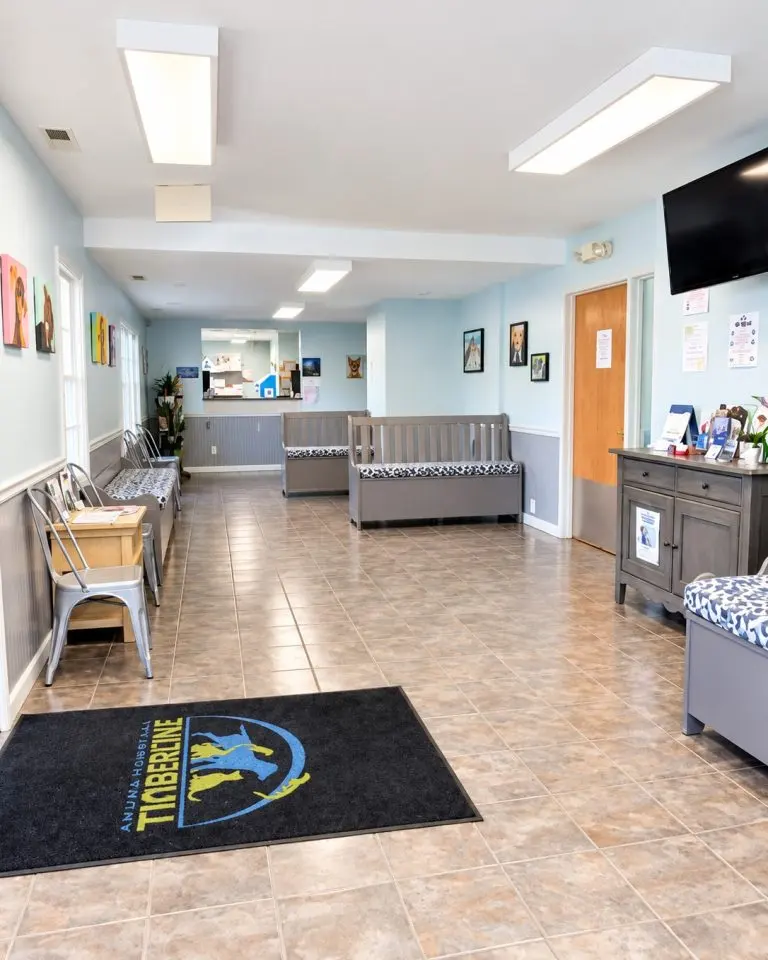
Our waiting room at the Main St hospital
Insurance and payment
Payment is due at the time of the visit. We accept cash and major credit and debit cards (American Express, Visa, Mastercard and Discover), plus CareCredit and Scratchpay financing. Pet insurance works for many owners; call us if you would like help with it.
Questions about a bill or your pet's insurance? Contact the hospital before your visit.
Call the hospital to start
Tell us about your pet and which visit you need. We will find a time for your first exam, a vaccine visit or a talk about surgery.